
What "Sustainable Wedding Flowers" Really Means (And What It Doesn't)


When couples tell us they want sustainable wedding flowers, we always ask: "What does sustainable mean to you?" The answers vary widely, and for good reason. In an industry where "eco-friendly" has become a marketing buzzword, it's hard to know what's real and what's greenwashing.
After nearly 30 years of growing flowers on our 65-acre farm in Delaplane, Virginia, we've learned that true sustainability in wedding florals isn't about one perfect choice. It's about understanding the real environmental impact of your flowers and making informed decisions that align with your values.
The Hidden Environmental Cost of Wedding Flowers
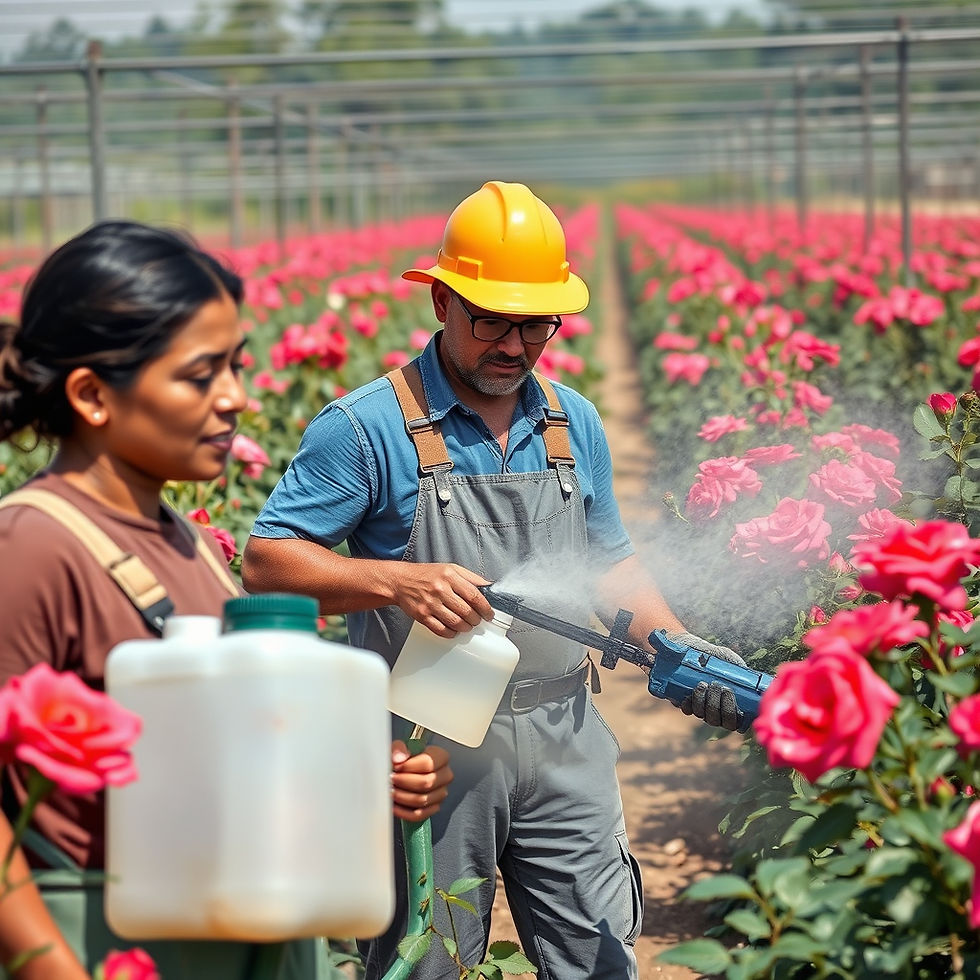
Most couples don't realize that the majority of wedding flowers sold in the United States travel thousands of miles before reaching their ceremony. Your roses might come from Ecuador, your tulips from the Netherlands, and your orchids from Thailand. These flowers are grown on massive industrial farms, treated with pesticides, cut while still in bud, shipped via refrigerated air freight, and then stored in climate-controlled facilities before finally arriving at your wedding.
The carbon footprint is staggering. But the environmental impact doesn't stop there.
Many imported flowers are grown in countries with less stringent environmental and labor regulations. Pesticide use is often higher, water management is less regulated, and working conditions for flower farm laborers can be concerning. When you choose imported flowers, you're often supporting an industrial agriculture model that prioritizes volume and shelf life over environmental stewardship.
What Truly Sustainable Wedding Flowers Look Like
Real sustainability in wedding florals means considering the entire lifecycle of your flowers, from seed to compost. Here's what that actually looks like:
Locally Grown, Not Just "Locally Sourced"
There's a big difference between a florist who "sources locally when possible" and one who actually grows flowers. When we say we're a farm-based florist, we mean that the majority of your wedding flowers will come directly from our fields and greenhouses here in Virginia. No intermediaries, no wholesale markets, no refrigerated trucks driving across the country.
We know exactly which flowers were cut that morning, which field they came from, and what WASN'T used to help them grow. That's transparency you simply can't get from flowers that pass through multiple hands before reaching you.

Seasonal Selection (Yes, Even in Winter)
One of the most sustainable choices you can make is embracing what grows naturally in your wedding season. This doesn't mean you're limited to a sparse selection. Our greenhouses allow us to extend the growing season and cultivate beautiful blooms even in the colder months, all without relying on international shipping.
When you choose seasonal flowers, you're working with nature rather than against it. These flowers are at their peak, require less intervention to grow, and don't need to be preserved artificially for long-distance travel. The result? Flowers that are not only more sustainable but also more vibrant and longer-lasting.

Zero-Waste Philosophy
Sustainability doesn't end when your wedding is over. We've developed a comprehensive approach to ensure that nothing from your wedding goes to waste:
After your event, we collect arrangements you don't plan to keep and compost all organic material back into our farm soil
We default to renting you the high-quality durable containers and vases made from ceramics, metals or glass, so we can reuse them and minimize single-use plastic
Our design approach minimizes the use of floral foam (which is petroleum-based and non-biodegradable) whenever possible
We prioritize reusable mechanics such as chicken wire and delivery boxes
This closed-loop system means your wedding flowers literally feed the soil that will grow next season's blooms. We're not kidding, we had Virginia Tech come out and test our soil for nutrient deficiencies. Because we've been consistently applying green-brown compost, we do not need to use fertilizers. (We did however need to plant some tubers in the dahlia beds over winter to rebalance the nitrogen levels.)
Year-Round Growing vs. Year-Round Importing
Here's where the rubber meets the road for many florists claiming sustainability. When a couple wants peonies in November, a truly sustainable florist has two options: help them choose gorgeous seasonal alternatives, or grow peonies in a greenhouse.
What's NOT sustainable? Flying in peonies from New Zealand or Chile.
Our greenhouses allow us to extend what we can offer locally, but we're honest about the limits. Some flowers simply aren't available locally in certain seasons, and we'll tell you that upfront. We'll help you fall in love with what IS available, or we'll discuss the tradeoffs of importing specific blooms if they're absolutely essential to your vision.

At Growing Wild Floral, our brand promise is "Sustainably Sourced | Uniquely You" - this means we recognize that each couple has a vision to bring their unique story to life on their wedding day. We love this, we support this. So, we're open to discussing all the avenues to make that vision come to life. Say there is a specific color you absolutely want for your wedding, but it isn't possible with local flowers. We'll work with you to figure out a way where 80% of your flowers are local and seasonal and just a few are imported. We think this is a fair trade-off.
If everyone had 80% of their flowers locally grown, we'd make a massive impact on climate change. Sustainability isn't an all or nothing equation. It's about making true progress in the right direction.
Questions to Ask Your "Sustainable" Florist
We are a small family owned wedding floral business and only serve the Washington, DC Northern Virginia, Central Virginia, and parts of Maryland. So, we even though we would love to help everyone, we know that isn't possible.
So, if you're interviewing florists who market themselves as sustainable or eco-friendly, here are the questions that will help you separate authentic practices from marketing spin:
"What percentage of flowers do you actually grow yourself?" Many florists have beautiful websites featuring flower fields, but only grow a small percentage of what they sell. Ask for specifics.
"Where do your flowers come from in the off-season?" This question reveals whether they're truly committed to local sourcing or just when it's convenient.
"What happens to the flowers after my wedding?" A sustainable florist should have a plan beyond "they go in the dumpster."
"Do you use floral foam?" Floral foam is made from petroleum-based plastic and is not biodegradable. Sustainable florists use alternatives like chicken wire, pin frogs, or floral tape.
"Can I visit your farm or growing operation?" If they actually grow flowers, they should be proud to show you where. We invite all our couples to visit the farm and see where their wedding flowers will come from.
Why Sustainable Matters Beyond the Environment
When you choose truly sustainable wedding flowers, you're not just reducing your environmental impact. You're also:
Supporting local agriculture and small business instead of industrial farming conglomerates
Getting fresher, more vibrant flowers that haven't spent days in transit
Creating a unique story for your wedding that reflects your values
Contributing to your local ecosystem by supporting farms that prioritize soil health and biodiversity
The Growing Wild Floral Difference
We didn't start Growing Wild Floral because sustainability was trendy. We started it because we believe there's a better way to bring beauty into the world. (And because my mom wanted to be closer to her horse.) Our 65 acres in Delaplane have been cultivated with care for nearly three decades, and every decision we make is guided by a commitment to environmental stewardship.
When you choose Growing Wild for your wedding flowers, here's what you're really choosing:
Flowers grown in Virginia soil, not flown in from another hemisphere
A visit to our farm where you can see exactly where your blooms will come from
Seasonal selections that work with nature's calendar, not against it
A zero-waste approach that ensures your flowers return to the earth
A team that's been perfecting sustainable floristry for 30 years
We're not perfect. We don't claim to be the only sustainable option nor do we insist on 100% locally grown flowers. But we do promise absolute transparency about where your flowers come from, how they're grown, and what happens to them after your celebration.
Making the Choice That's Right for You
Sustainability isn't all-or-nothing. Every couple has different priorities, budgets, and visions for their wedding day. Our job isn't to judge your choices but to help you understand the real impact of those choices so you can make informed decisions.
If having pink peonies in January is non-negotiable for your wedding vision, we'll have an honest conversation about what that means environmentally and help you offset that impact in other areas of your floral design. We'll also need to discuss why certain flowers simply aren't available anywhere in the world at certain times of year because of their natural growing cycle.
If you want the most sustainable wedding flowers possible, we'll show you the stunning seasonal options that will make that happen. The most important thing is that you know what you're getting. Not just beautiful flowers, but flowers with a story you're proud to tell.
Ready to learn more about sustainable wedding flowers for your big day?
Contact us and plan a visit our farm in Delaplane, Virginia, and see where your wedding flowers will be grown. We'd love to show you our fields, our greenhouses, and our approach to creating wedding florals that are as kind to the earth as they are beautiful.

Growing Wild Floral Co. is a sustainable, farm-based wedding florist serving Northern Virginia and Washington DC from our 65-acre flower farm in Delaplane, VA. Since 1995, we've been growing gorgeous, locally-sourced wedding flowers for couples who care about where their flowers come from.

